Muhteşem Yüzyıl
01
İleri Seviye
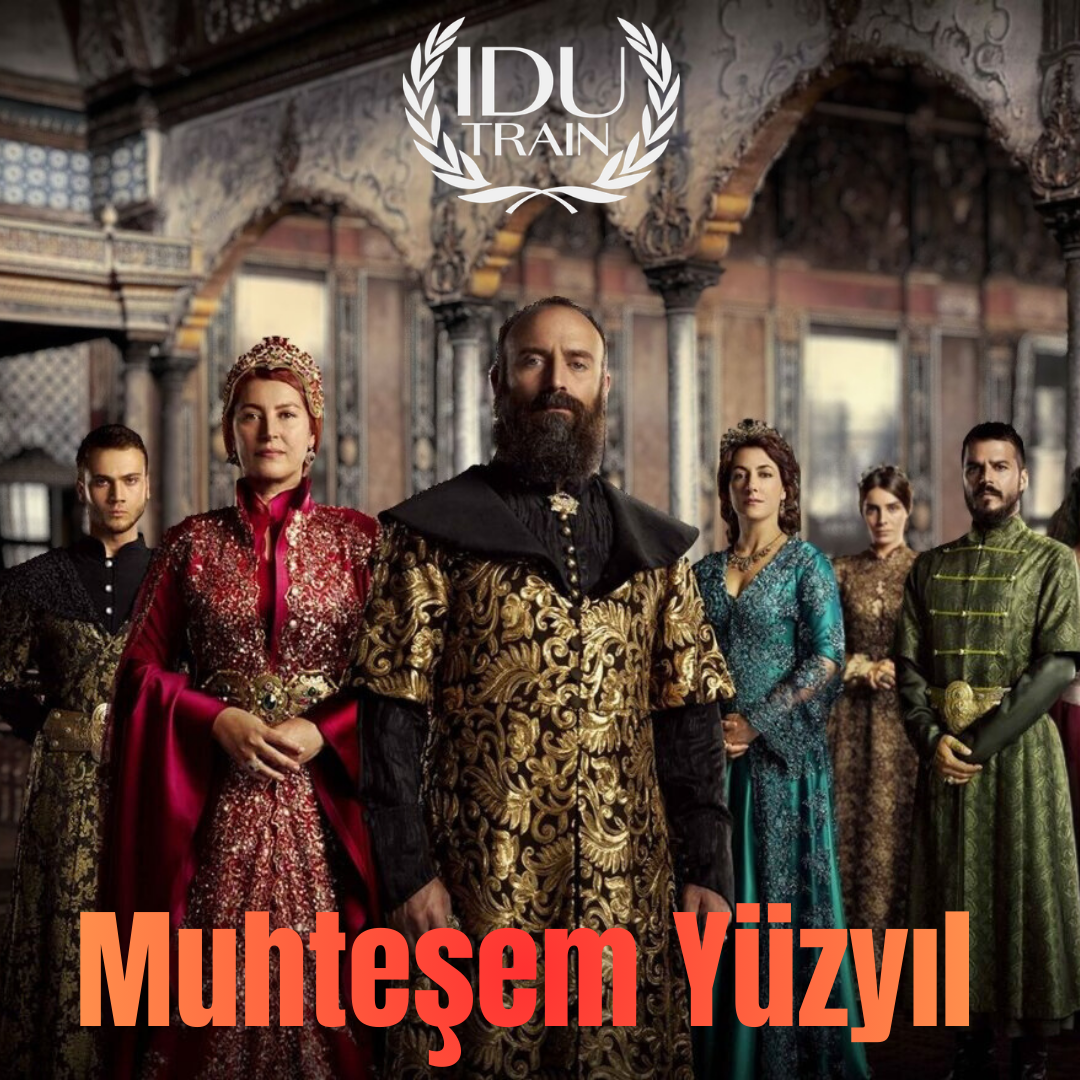
Muhteşem Yüzyıl
Bu komite, Kanuni Sultan Süleyman’ın saltanatının son dönemlerini ve Muhteşem Yüzyıl dizisinin
yarattığı entrika dolu atmosferi temel alarak, Osmanlı İmparatorluğu’nun geleceğini belirleyecek
olan taht mücadelesini konu almaktadır. Katılımcılar; devletin bekasını savunan paşalar, haremin
kaderini tayin eden valide sultanlar ve her biri kendi destekçi kitlesine sahip olan şehzadeler
olarak, güç dengelerini değiştirecek kritik kararlar alacaklardır. Sadakatlerin her an sınandığı,
haremin koridorlarından savaş meydanlarına uzanan bu kriz ortamında; askeri isyanlar, siyasi
suikastlar ve stratejik evlilikler üzerinden tahtın yeni sahibi belirlenecektir.
Gündem Maddesi: Osmanlı Veraset Krizi, Şehzadeler Arasında Osmanlı Tahtı İçin Güç Savaşı
Gündem Maddesi: Osmanlı Veraset Krizi, Şehzadeler Arasında Osmanlı Tahtı İçin Güç Savaşı
Chairboard
Komite Müsteşarı: Toprak Boyraz
Kriz Ekip Üyesi: Gamze Tarcan
SC
02
Intermediate
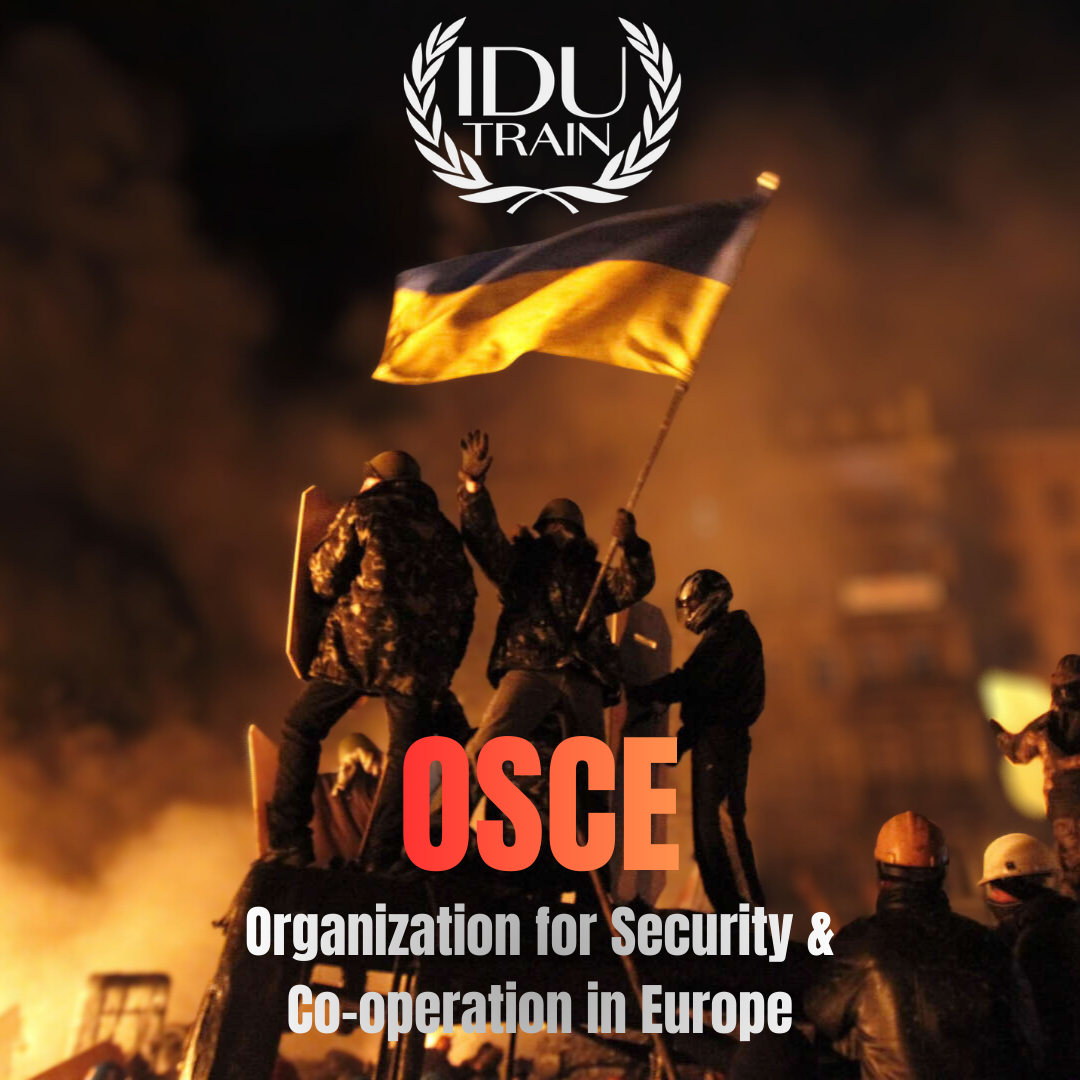
OSCE
The Organization for Security and Co-operation in Europe (OSCE) is a regional security-oriented
intergovernmental organization comprising member states in Europe, North America, and Asia. Its
mandate includes issues such as arms control, the promotion of human rights, freedom of the press,
and free and fair elections. It employs around 3,460 people, mostly in its field operations but also
in its secretariat in Vienna, Austria, and its institutions. It has observer status at the United
Nations.
Agenda Item: Addressing the Root Causes of the Russo-Ukrainian War with an Emphasis on Rule of Law and Corruption.
Agenda Item: Addressing the Root Causes of the Russo-Ukrainian War with an Emphasis on Rule of Law and Corruption.
Chairboard
USG: Ata Karakaya
CO-ACAS: Ela Zeynep Salım
CO-ACAS: Luna Sanem van Leeuwen
CR
03
Beginner
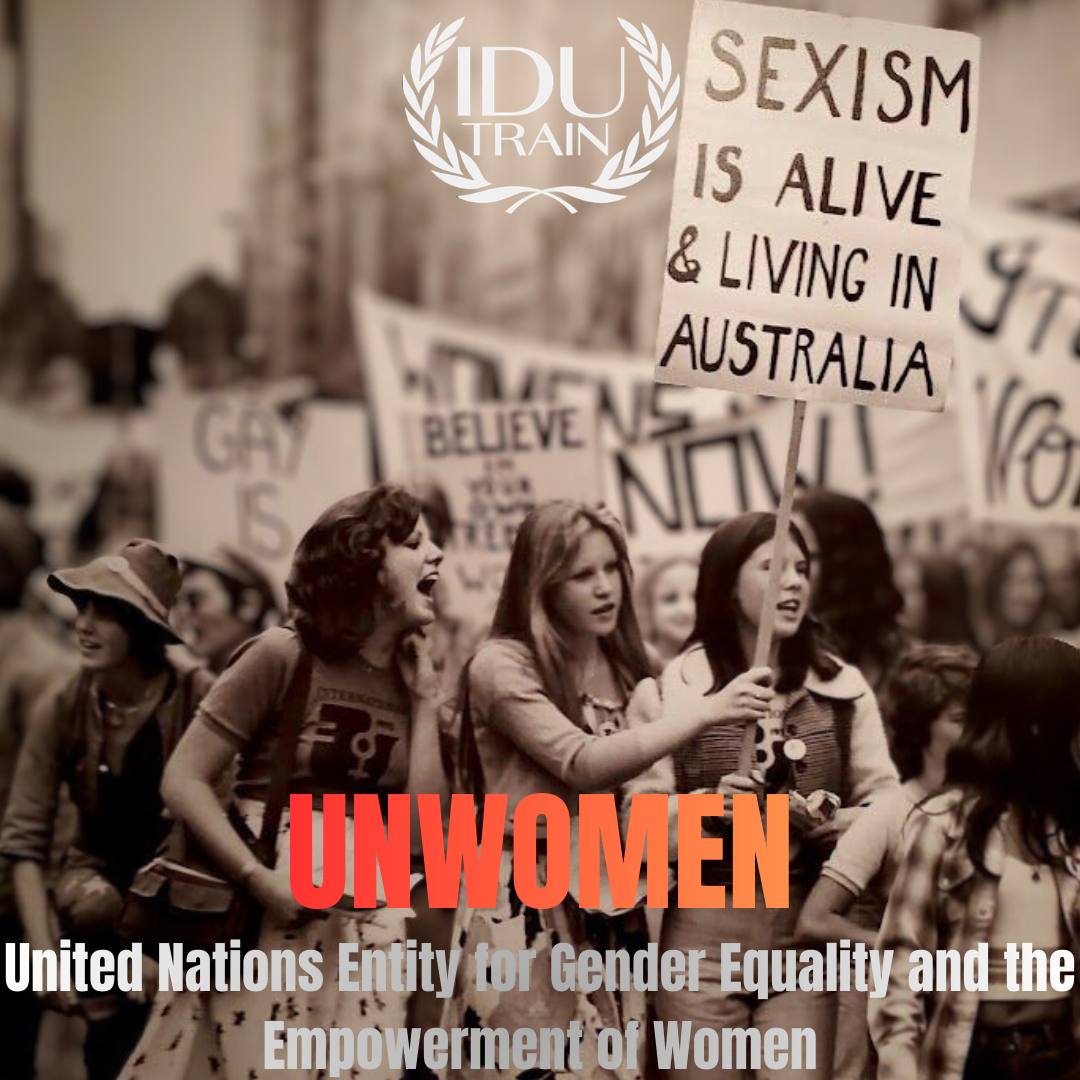
UNWOMEN
The United Nations Programme for Gender Equality and the Empowerment of Women, also known as UN
Women, is a United Nations agency charged with working for gender equality and the empowerment of
women. UN Women is charged with advocating for the rights of women and girls, and focusing on a
number of issues, including violence against women and violence against LGBT people.
Agenda Item: Reducing gender-based imbalances in virtual environments and ensuring equality in the metaverse.
Agenda Item: Reducing gender-based imbalances in virtual environments and ensuring equality in the metaverse.
Chairboard
CO-USG: Ecrin Tügen
CO-USG: Sabri Yiğit Pune
CR
04
Advanced
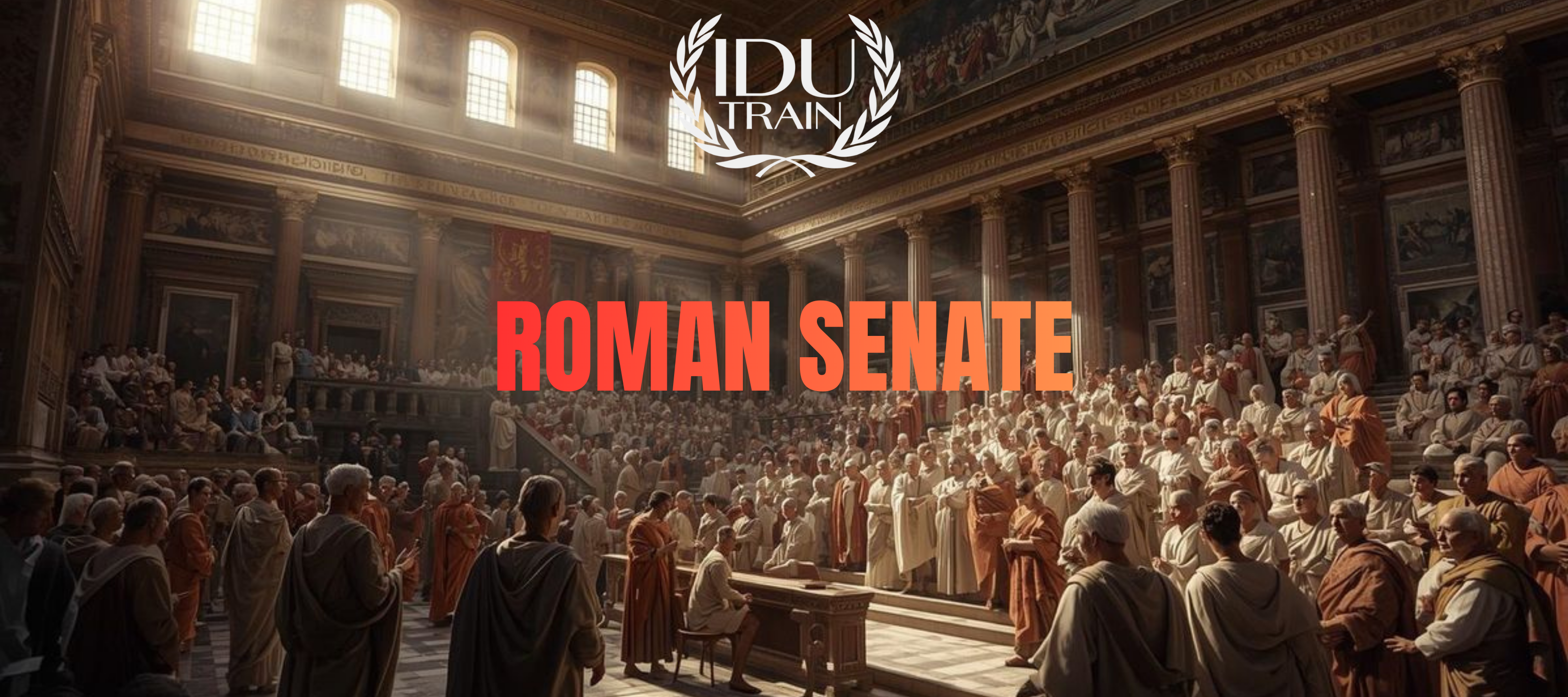
Roman Senate
The Roman Senate Committee is a historical crisis simulation rooted in the political structure of
the Roman Republic, where power, influence, and rhetoric determined the fate of a civilization that
shaped the foundations of modern governance. Delegates assume the roles of senators, consuls,
military commanders, and influential patricians, each driven by personal ambition, political
alliances, and the preservation of Rome’s supremacy. Within the marble halls of the Curia, decisions
regarding military expansion, internal unrest, economic reform, and the balance of power between the
Senate and ambitious generals will define the Republic’s survival. As loyalties shift and rivalries
intensify, participants must navigate political intrigue, strategic manipulation, and ideological
conflict in order to protect their legacy or reshape Rome according to their vision.
Agenda Item: Caesar's civil war.
Agenda Item: Caesar's civil war.
Chairboard
USG: Bora Yunus Özçetemen
ACAS: İbrahim Yağız Ateş
CTM:Eren Erdem
CR
05
Intermediate
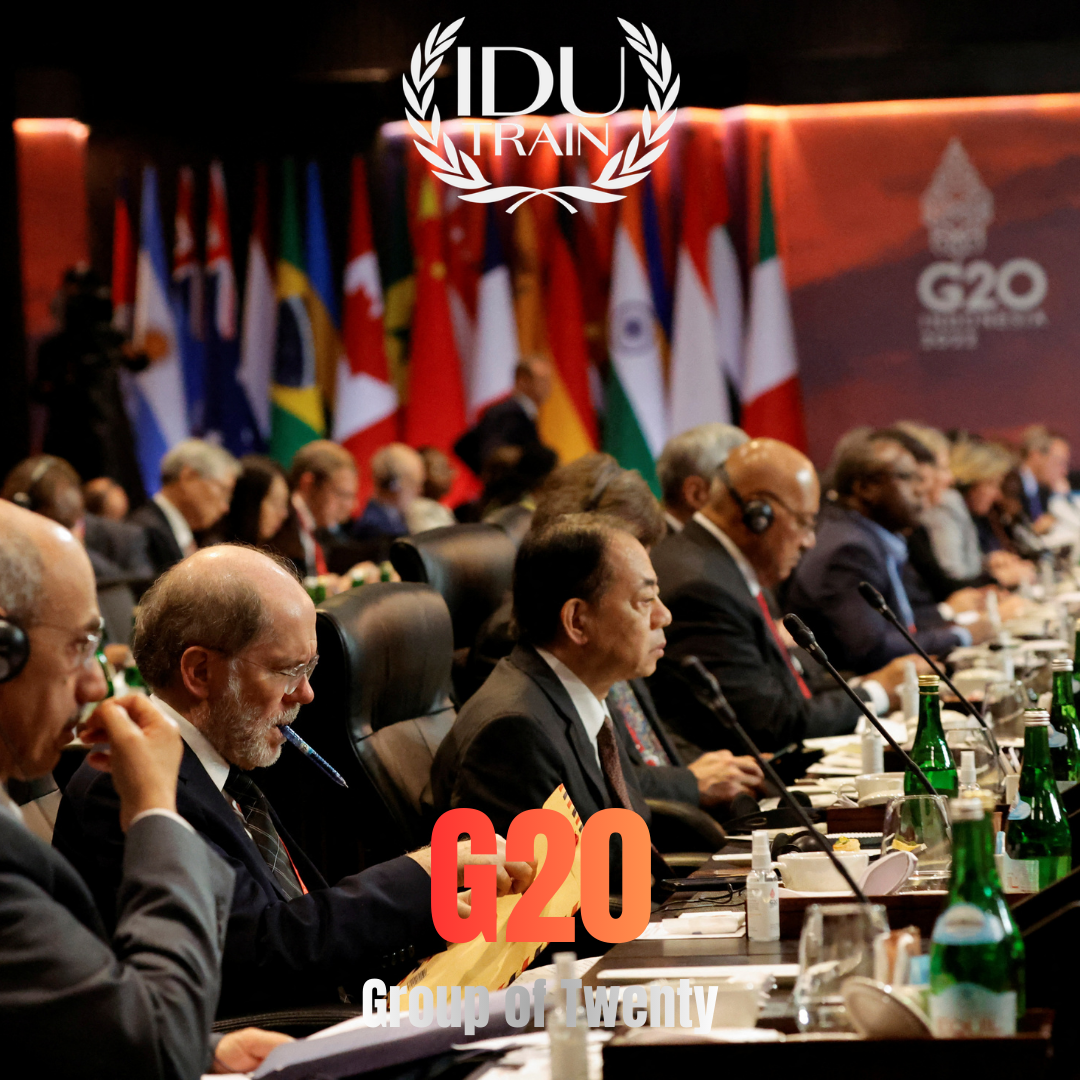
G20 (Group of Twenty) Intermediate
The Group of Twenty (G20) Committee simulates one of the world’s leading economic platforms, where
major developed and emerging economies collaborate to ensure global financial stability and
sustainable growth. Delegates represent heads of state, finance ministers, and central bank leaders
addressing issues such as inflation, sovereign debt, energy transitions, and digital transformation.
Within this high-level diplomatic environment, negotiations are shaped by national interests,
strategic cooperation, and the necessity of multilateral coordination to strengthen the resilience
of the global economy.
Agenda Item: Open Agenda
Agenda Item: Open Agenda
Chairboard
USG: Cem Deniz